Program Board Spotlight: Hans Mantell on People, Culture, and Building FinTechs for the Long Run

Written
Author
Alise Munson
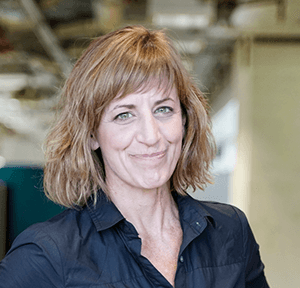
As a Program Board Member of the TQ Accelerator: Digital Finance, Hans Mantell brings a unique perspective to the FinTech ecosystem that combines more than two decades of experience in executive search, digital transformation, and talent strategy. As Co-Founder and Managing Partner at FRED Executive Search, Hans has spent his career helping organizations identify and develop the leadership needed to navigate technological change and growth.
With a deep focus on Digital, Technology, and Financial Services, Hans has worked with everyone from early-stage startups to established financial institutions. His expertise sits at the intersection of people, culture, leadership, and innovation—areas that often determine whether a promising FinTech becomes a sustainable business.
Drawing on his experience advising companies through periods of rapid transformation, Hans shares his views on regulation, talent, AI, and the realities of building FinTechs in Europe.
What’s one common misconception about building a FinTech in Germany or Europe?
"It is often seen as an easy-to-access market where blueprints from Asia or the US can simply be adopted and scaled in no time."
In reality, Europe is a highly fragmented landscape with different regulatory environments, customer expectations, and market dynamics. What works elsewhere does not automatically translate into success here. Founders need a deep understanding of local market conditions and a willingness to adapt rather than replicate.
How important is regulation: barrier, opportunity, or both?
Both.
Regulation can undoubtedly slow down certain processes and increase complexity. At the same time, it creates trust, transparency, and clear frameworks for innovation.
For founders, the key is understanding that regulation is not something to avoid—it is something to navigate strategically. Those who understand the rules early and build with compliance in mind can create a meaningful competitive advantage.
How is the role of banks evolving in the next three to five years—especially in relation to startups?
"Most likely, the gap in retail markets and client access isn’t that big anymore. Partnering with FinTechs becomes more likely."
As customer expectations evolve and innovation cycles accelerate, banks are recognizing the value of working alongside startups. FinTechs bring agility, speed, and customer-centric thinking, while banks contribute scale, trust, and infrastructure.
The future will likely be shaped by partnerships that combine the strengths of both worlds.
What do early-stage FinTech teams consistently underestimate?
Two things stand out: time and people.
"Time to market and the importance of people & culture as they grow and emerge."
Many founders focus intensely on product development and fundraising while underestimating how long it takes to gain traction. Building trust, securing partnerships, and navigating complex stakeholder environments often require more patience than expected.
At the same time, culture becomes increasingly important as companies scale. The teams that succeed are often those that invest early in building strong foundations, shared values, and effective leadership structures.
Which technologies are truly transformative and which are overhyped?
For Hans, the answer is clear.
"For the time being, AI plays the major role."
Artificial Intelligence is already reshaping how financial institutions operate, make decisions, and serve customers. Blockchain, on the other hand, has often generated more excitement than practical application.
"Blockchain is overhyped but in the long run a potential game changer."
While the technology may not yet have delivered on all of its promises, Hans believes its long-term potential should not be underestimated—particularly as infrastructure, regulation, and adoption continue to mature.
How should founders approach hiring in such a regulated and specialized industry?
"They should speak more often to a specialised headhunter.”
Behind the humor lies an important point: hiring in FinTech requires a highly targeted approach.
Finding talent with the right mix of regulatory knowledge, technical expertise, and entrepreneurial mindset is rarely straightforward. As companies grow, founders should think beyond filling immediate vacancies and focus on building teams that can evolve with the business.
Looking Ahead
Across all of Hans’ insights, one theme remains consistent. Technology matters, but people matter more.
Whether navigating regulation, adopting AI, entering new markets, or scaling a company, sustainable success ultimately depends on the teams behind the business. For founders building the next generation of financial services, understanding culture, leadership, and talent may be just as important as understanding the technology itself.
And as the European FinTech ecosystem continues to mature, those who balance innovation with strong people foundations will be best positioned to build companies that last.
—————————
People & Culture as a Growth & Investment Driver for FinTechs
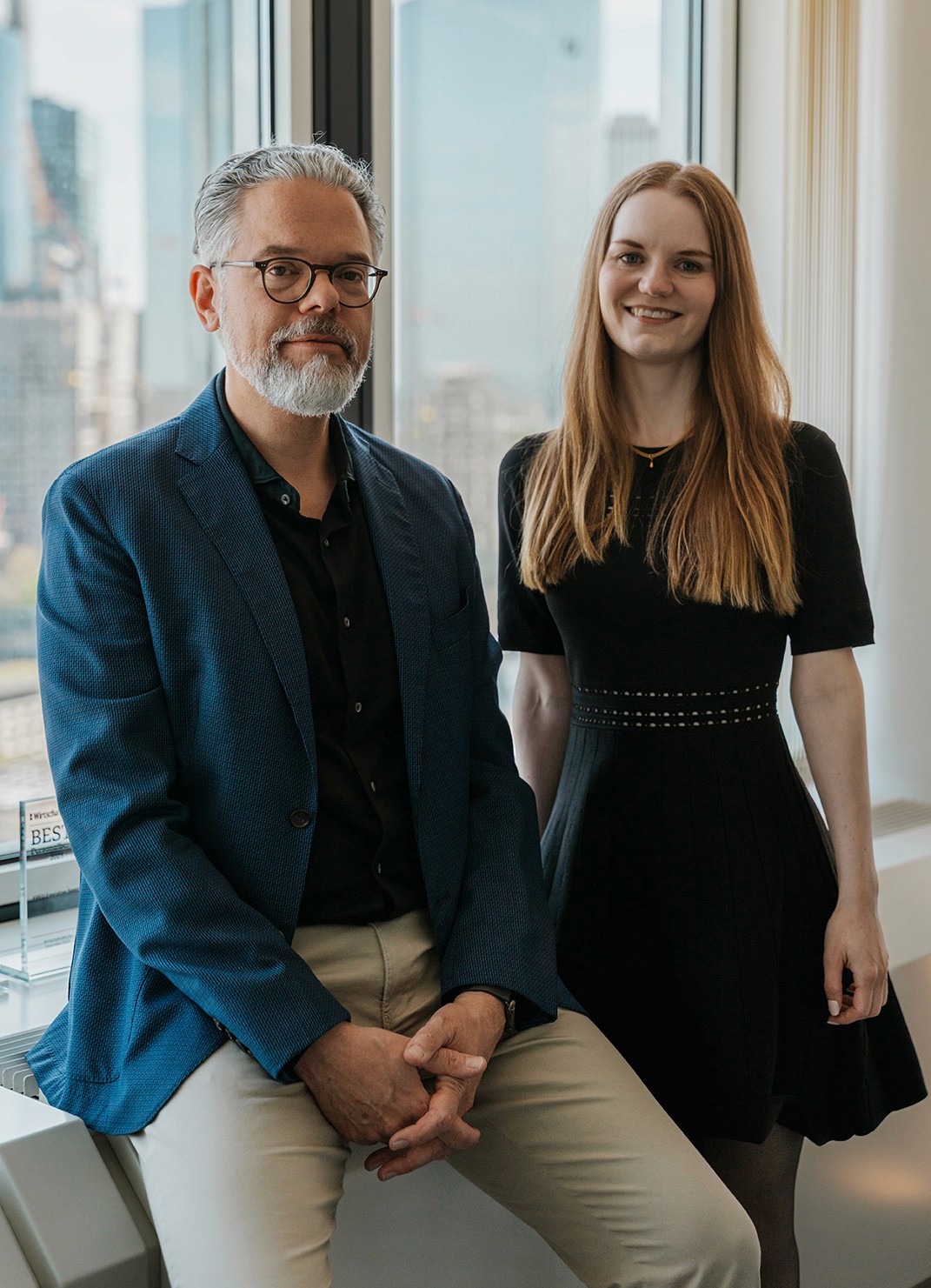
As part of the TQ Accelerator, Hans Mantell and Cynthia Heim from FRED Executive Search will host a Masterclass on “People & Culture as a Growth & Investment Driver for FinTechs”. Together with three experienced investors and transformation experts (Florian Stadlbauer, Christian Müller, Jürgen Pronebner), they will discuss practical lessons on hiring, leadership, culture, AI, compensation, retention, and organizational scaling.
The session is designed to help founders understand why People & Culture is not simply an HR topic, but a strategic growth lever that directly impacts execution, fundraising, scalability, and long-term company success. Furthermore, we will shed some light on what to keep in mind when scaling a company, defining compensation models and how AI influences Work & Leadership.